
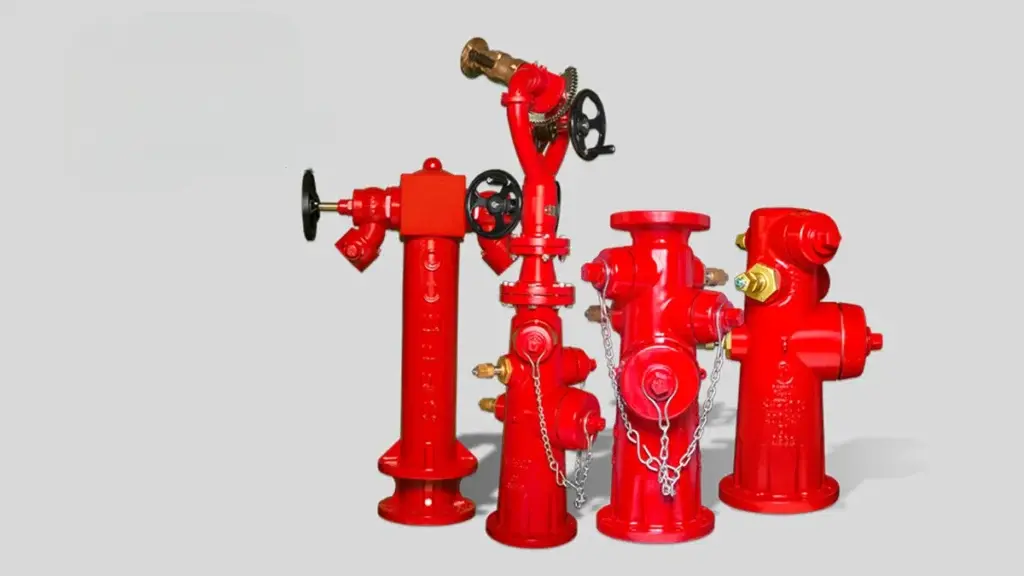
Fire safety is a critical component of every building, whether residential, commercial, or industrial. Fire hydrant systems are crucial for controlling and extinguishing flames among the many fire prevention systems. Hydrant systems can save lives and property and provide a reliable source of water for fighting fires. We will discuss the many kinds of fire hydrant system and their applications in this blog. Understanding hydrant systems is helpful because it guarantees that you have the appropriate system for your building and that it will be properly maintained. Let’s learn more about these systems and identify the most popular ones for fire safety.
What is a Fire Hydrant System?
A fire hydrant system is a set of pipes, valves, and hydrants used to supply water for firefighting tasks. Firefighters utilise the hydrant to get water from a private reservoir or the city supply when a fire starts. These are placed thoughtfully throughout the property to provide easy access to water in an emergency. The way the system operates is that it gives fire departments hoses to connect to hydrants so they can pump a lot of water directly onto the fire. The hydrant system serves a critical role in reducing the extent of fire damage, hence it is important that it be accessible and adequately maintained.
Types of Fire Hydrant Systems
1. Wet Riser Hydrant System
A Wet Riser System is one of the most commonly used hydrant types in high-rise buildings. In this system, the vertical pipe (riser) is continuously charged with water under pressure. This ensures an immediate and steady flow of water whenever the landing valve or hydrant outlet is opened.
Uses of Wet Riser System
- Ideal for high-rise buildings above 15 meters
- Suitable for malls, hospitals, hotels, IT parks, and commercial complexes
- Ensures instant water availability for fire crews
- Reduces response time significantly during emergencies
Wet risers are preferred in buildings where maintaining constant water pressure is essential for effective fire control.
2. Dry Riser Hydrant System
A Dry Riser System remains empty and is only filled with water when needed. During a fire, firefighters connect the riser inlet (usually at the building entrance) to a fire engine, which pumps water upward through the pipes.
Uses of Dry Riser System
- Suitable for buildings between 10m and 50m tall
- Commonly installed in old buildings with limited water storage
- Ideal when water pressure cannot be maintained constantly
- Dependable in areas where freezing temperatures may cause wet riser pipes to burst
Dry risers are cost-effective and useful in climates or structures where maintaining wet pipes is impractical.
3. External Fire Hydrant System (Outdoor Hydrants)
External or outdoor fire systems are commonly seen near roads, building entrances, industrial estates, and large open areas. These systems include ground hydrants (underground) and pillar hydrants (above ground) that supply large volumes of water directly to fire trucks.
Uses of External Hydrant System
- Essential for industries, warehouses, chemical plants, fuel stations, and logistics hubs
- Helps fire brigades access water without entering the building
- Useful for fighting exterior or large-scale fires
- Supports quick firefighting operations during emergencies
Outdoor hydrants are a primary requirement for factories and high-risk industrial zones.
4. Yard Hydrant System
Yard hydrants are hydrant points installed around the perimeter of a building or campus. These hydrants are connected to the main hydrant network and provide easy access to water from outside the structure.
Uses of Yard Hydrants
- Perfect for large campuses, universities, industrial parks, and manufacturing units
- Allows firefighters to control fires from multiple angles
- Ensures water availability at outer boundaries
- Supports both internal and external firefighting operations
Yard hydrants improve coverage and accessibility in open and semi-open areas.
5. Single-Hydrant System
A single-hydrant system has one hydrant outlet at each hydrant point. This system is suitable for buildings with lower fire risk and limited water demand.
Uses of Single-Hydrant System
- Ideal for small commercial buildings, offices, showrooms, and residential complexes
- Simple, low-maintenance, and cost-effective
- Provides sufficient water flow for smaller fire hazards
Single hydrants are best used where minimal but reliable protection is required.
6. Double-Hydrant System
A double-hydrant system has two hydrant outlets at one hydrant point. These outlets may be used simultaneously, depending on water pressure.
Uses of Double-Hydrant System
- Ideal for large buildings, malls, warehouses, and factories
- Supports multiple firefighters battling fire from different hoses
- Provides high water discharge and better coverage
- Suitable for areas with high fire load
Double hydrants are essential for buildings where high water flow is necessary to control extensive fires.
7. Pumping System in Hydrant Networks
A fire hydrant system depends heavily on its pumping system. The fire pump ensures constant water pressure in the hydrant network.
The main types of pumps used include Electric Fire Pump, Diesel Fire Pump and Jockey Pump.
Uses of Fire Pumps
- Maintain required pressure across hydrant points
- Ensure uninterrupted water supply during emergencies
- Support multiple hydrants operating at the same time
- Provide backup power through diesel pumps
Without pumps, hydrant systems cannot function effectively, especially in multi-storey or large buildings.
How to Choose the Right Fire Hydrant System
The selection of the correct fire hydrant relies on various factors. Think about the following in order to decide on the best option for your property:
Location: Urban areas have wet riser systems as a norm, but in rural and distant areas, dry riser systems can prove useful.
Climate: Dry hydrants are more useful in chilly climates because they are free from the possibility of freezing during winter.
Water Availability: Facilities that have limited access to water supply or municipal water supply may need specialized systems like underwater hydrants or dry hydrants connected with natural water supply.
Fire Hazard: Unusual properties like factory premises may have special hydrant systems, including deluge systems, to address big fires.
Maintenance of Fire Hydrant Systems
For fire hydrant to function effectively during an emergency situation, regular maintenance is important.
Below are some guidelines on how to maintain them:
Regular Inspection: Ensure that the hydrants are clear of debris or vegetation clogging and are accessible to the firemen.
Pressure Tests: Periodic pressure tests to ensure water flow at the optimal level.
Repairs: Faulty or damaged components, such as valves need to be repaired or replaced.
System Flush: Periodically flush the hydrant system to remove sediment or debris from the pipes.
Conclusion
Fire hydrant systems form an essential part of any fire protection system. An effective system can significantly reduce fire damage and prevent loss of lives. Regardless of whether you live in a town or country, it is beneficial to understand the different kinds of fire hydrants and their uses in order to make a well-informed decision. Each system type, such as wet, dry, yard, single or double has its own uses depending on the environment and fire risk. It is also crucial to keep the systems from time to time in order to ensure they work effectively when most needed.
📢 Follow us on Instagram and stay updated with the latest fire safety tips, equipment insights, and emergency readiness advice.